

About Us
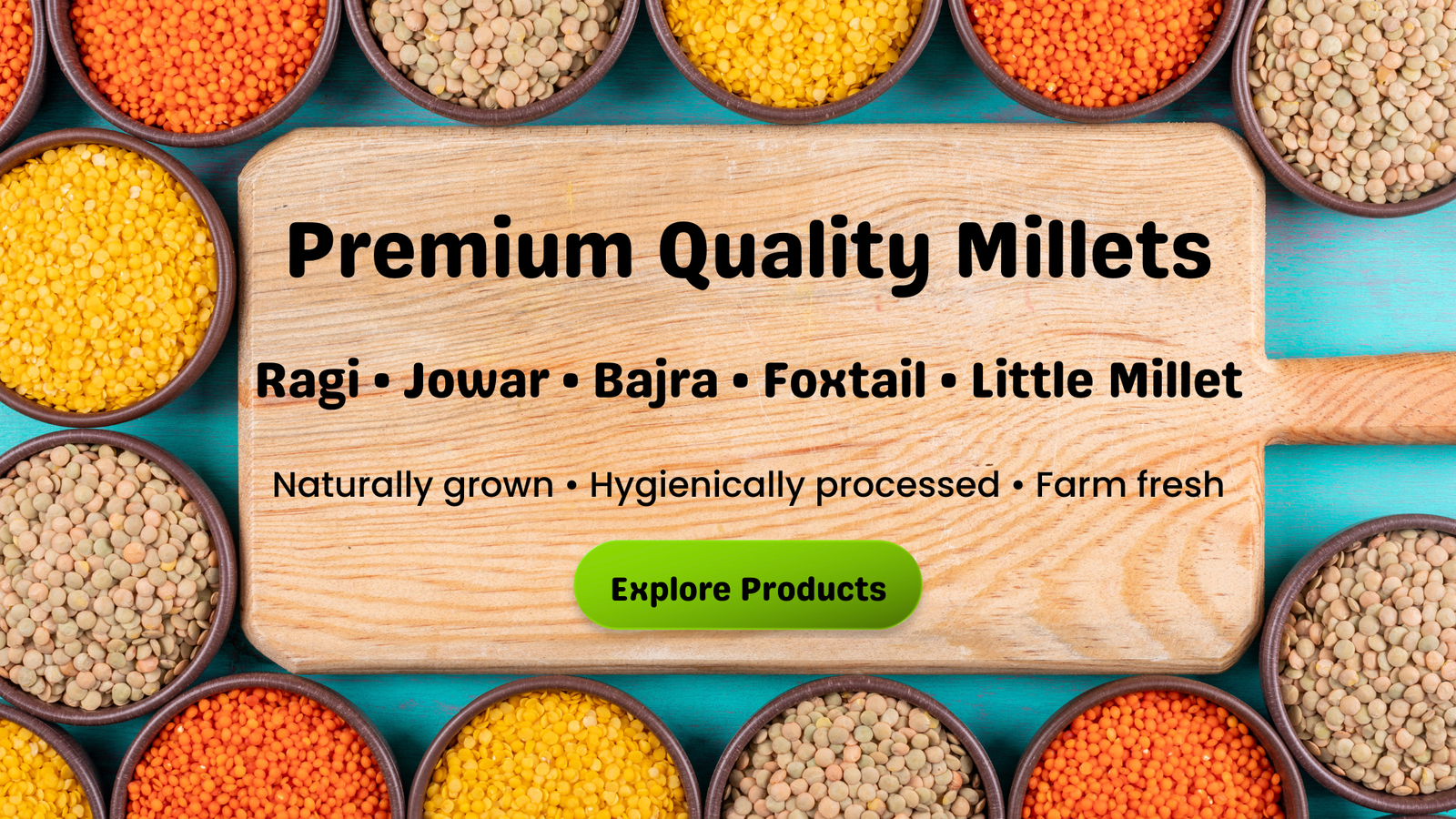
Millinature is a premium millet brand dedicated to providing pure, natural, and nutrient-rich millets for a healthy lifestyle. Our millets are carefully sourced from trusted farmers and processed with minimal intervention to retain their natural goodness. We offer high-quality Ragi, Jowar, Bajra, Foxtail Millet, and Little Millet, packed with fiber, protein, and essential minerals. At Millinature, we believe healthy food should be clean, sustainable, and affordable. Our mission is to reconnect people with traditional grains and promote balanced living through chemical-free, wholesome millets suitable for everyday meals.
Product
“Naturally Grown Millets, Trusted by Families.”
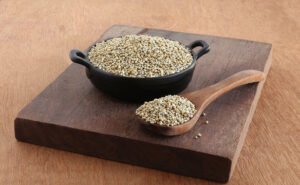
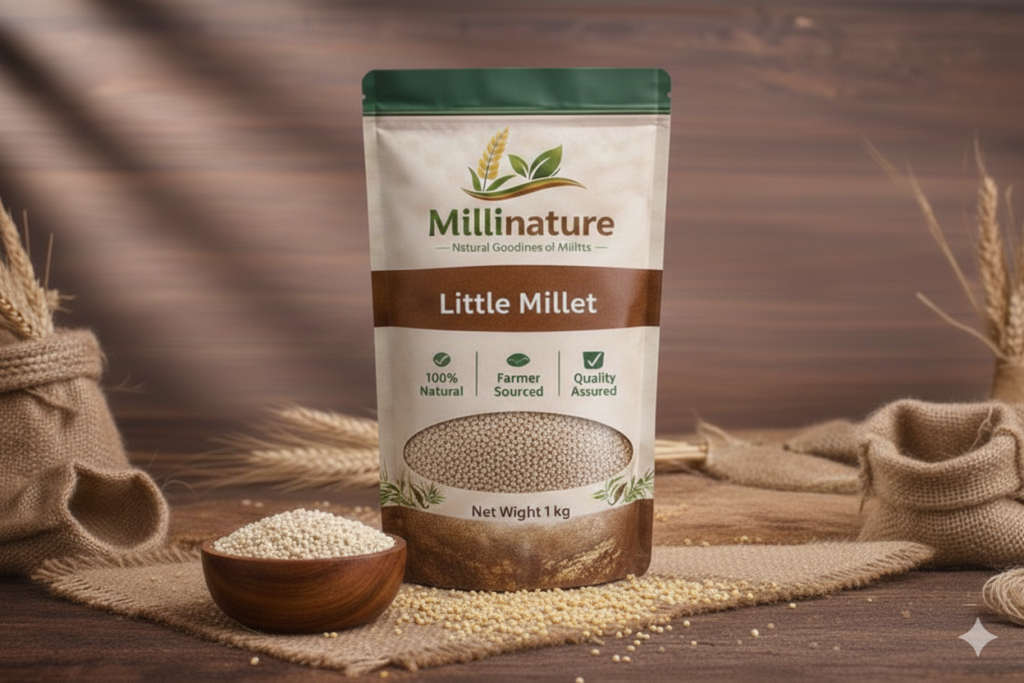
Little Millets
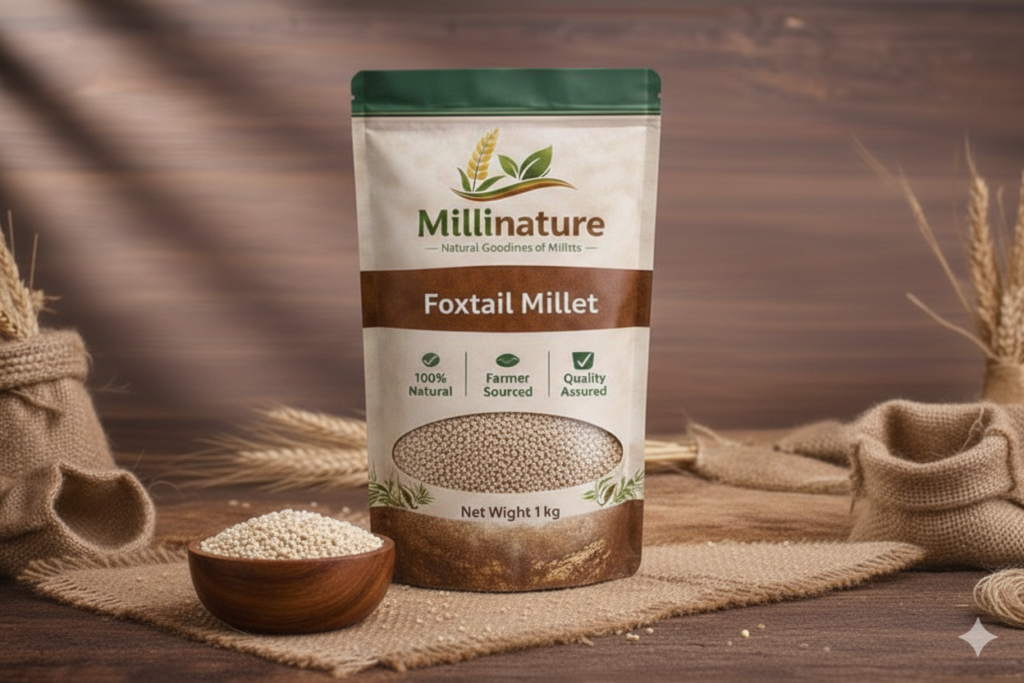
Foxtail Millets
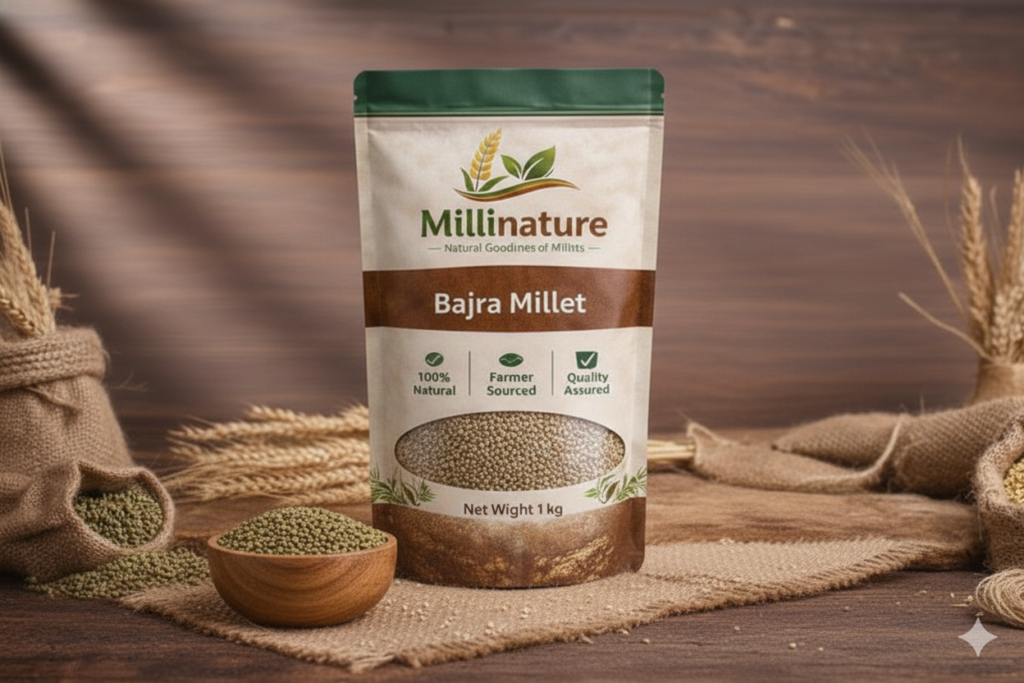
Bajra Millets
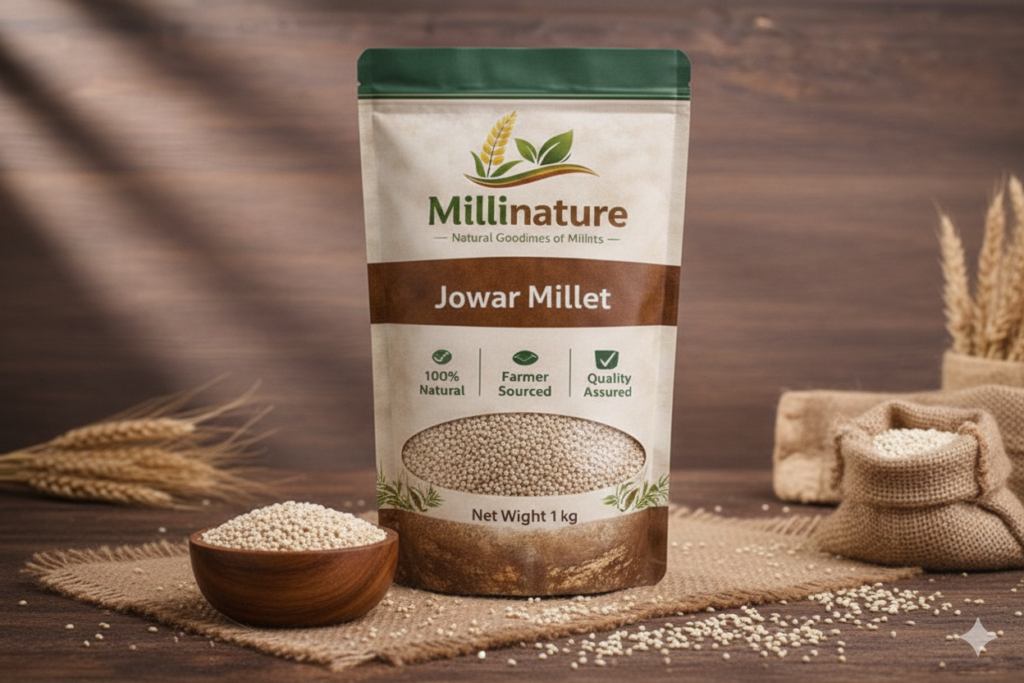
Jowar Millets
Why Choose Millinature

Farm-Fresh Sourcing
Millets directly reliable farmers se liye jaate hain, bina unnecessary storage ke.

Health-Focused Products
High fiber, protein aur essential minerals se rich, daily healthy lifestyle ke liye perfect..

100% Natural & Chemical-Free
Koi preservatives, additives ya chemicals nahi — sirf natural goodness.

Hygienically Processed
Modern processing units me clean aur safe environment me processing hoti hai.
Trusted by Happy Customers
FREQUENTLY ASKED QUESTIONS
1. What is millet and types of millets?
Millets are a group of small-seeded, nutrient-rich grains that have been cultivated for thousands of years. Known for their resilience and adaptability, they grow in arid and semi-arid regions and are a staple in many parts of Asia and Africa. Millets are naturally gluten-free and offer numerous health benefits, such as supporting heart health and digestion. The main types of millets are:
Pearl Millet (Bajra): Rich in protein and fiber, helps in managing diabetes and digestion.
Finger Millet (Ragi): High in calcium, good for bone health, and rich in iron.
Foxtail Millet: Contains iron and is good for heart health.
Sorghum (Jowar): Loaded with antioxidants and beneficial for digestive health.
Barnyard Millet: Low in calories, helpful for weight management.
Kodo Millet: High in fiber, suitable for controlling blood sugar levels.
Little Millet: Contains B vitamins and minerals, supports metabolic health.
Proso Millet: Easy to digest and high in protein, supports muscle health.
2. How to store millet?
Millets should be stored in a cool, dry, and dark place to maintain freshness. It is best to keep millets in airtight containers to prevent moisture absorption, which can cause spoilage. For longer shelf life, especially in humid climates, storing millets in the refrigerator or freezer is recommended. This prevents them from becoming rancid and keeps pests away.
3. Which millet is good for which disease?
Millets are versatile grains with specific health benefits associated with each type:
- Diabetes: Foxtail Millet and Kodo Millet have a low glycemic index, helping manage blood sugar levels.
- Heart Health: Foxtail Millet and Sorghum are high in antioxidants and beneficial for cardiovascular health.
- Bone Health: Finger Millet (Ragi) is rich in calcium and supports bone density and strength.
- Digestive Health: Sorghum and Proso Millet are high in fiber, promoting digestion and preventing constipation.
- Anemia: Finger Millet is high in iron, which can help in managing anemia.
- Weight Management: Barnyard Millet is low in calories and can be beneficial for those aiming to manage their weight.
4. How to eat millets: Methods of eating?
To eat millets, there are several versatile methods to include them in your diet:
1. Soaking and Cooking: Rinse millets thoroughly and soak them for 4-6 hours or overnight. Soaking improves digestion and reduces cooking time. After soaking, drain and cook them in water (usually a 2:1 water-to-millet ratio) for a rice-like texture, or add extra water for a porridge consistency.
2. Sprouting: Millets can be sprouted to boost their nutritional value. Soak them overnight, drain, then place in a sprouting jar or cloth for 1-2 days, rinsing twice a day. Sprouted millets can be added to salads or lightly cooked.
3. Using Millet Flour: Millet flour can be used to make rotis, dosas, pancakes, or baked goods. Substitute part of your regular flour with millet flour in recipes for added fiber and nutrients.
4. In Snacks and Side Dishes: Millets can be made into snacks like puffed millet, crackers, or traditional dishes like ladoos and upma.
5. Adding to Soups and Salads: Cooked millets add a nutty flavor and texture to soups and salads, making them more filling and nutritious.
5. Do millets help in weight loss, and if yes, which millet?
Yes, millets are high in fiber and low in calories, making them a great choice for weight management. Barnyard Millet is particularly effective for weight loss as it is very low in calories and helps maintain satiety. Other millets like Kodo Millet and Foxtail Millet are also good choices for weight loss, as their high fiber content aids in digestion and keeps you fuller for longer, reducing overall calorie intake.